
Retrofit Scotland: Knowledge Hub Workshop - Nov 2025
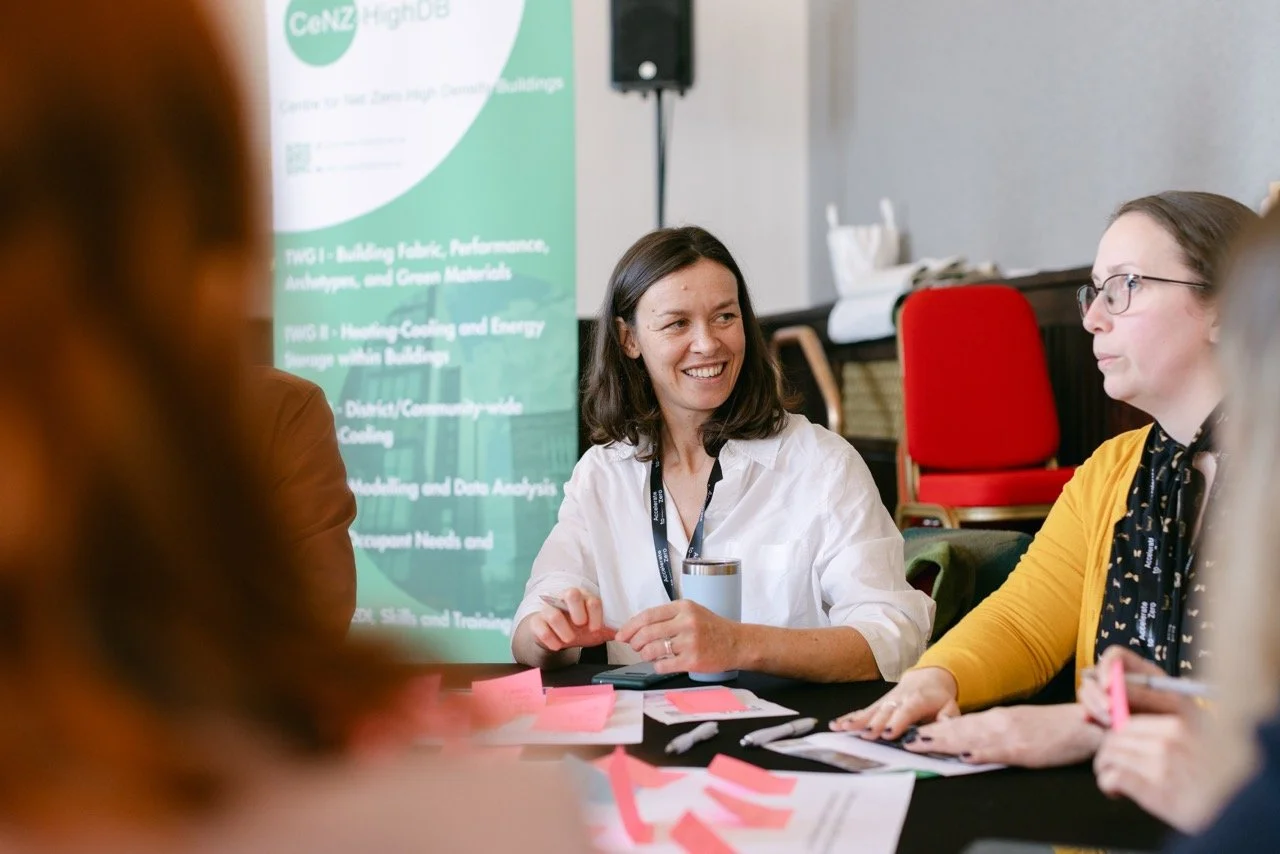
As part of BE-ST Fest 2025, Built Environment – Smarter Transformation (BE-ST), Centre for Net Zero High Density Buildings (CeNZ-HighDB) and University of Edinburgh convened a workshop to gather user insight ahead of building the new Retrofit Scotland Knowledge Hub.
At BE-ST 2024 a workshop was hosted, asking a simple question: 'how can Retrofit Scotland best support the sector to thrive?’. A knowledge hub to share success, challenges and learning was one of primary responses.
This work builds on the original case study library developed by Retrofit Scotland partners between 2013 and 2016. The re-launch of this platform aims to create a national resource that supports Scotland’s transition to a coherent, scalable and high-quality retrofit ecosystem, addressing the current fragmentation in knowledge, skills, case studies and practical guidance.
The Workshop
The workshop was designed to generate both qualitative insight and a robust, participant-led prioritisation of needs for the Retrofit Scotland Knowledge Hub.
This focused session engaged practitioners, local authorities, designers, housing providers, community organisations and technical specialists. Approximately 50–55 participants attended, seated across six round tables representing a broad mix of retrofit stakeholders.
Impact
Funding and resources will shape delivery and outputs of the Retrofit Scotland Knowledge Hub. The workshop has established clear focus areas to target development effort effectively.
The Findings
What information or data should case studies include?
Participants consistently asked for clear, standardised, comparable information that supports decision-making and avoids reinventing the wheel. Seven thematic priorities emerged:
Key Insights
Searchability and filtering is essential - users want to find comparable projects quickly by building type, intervention, scale, budget, tenure or technology.
Strong appetite for robust performance data: pre/post retrofit metrics, long-term monitoring, carbon impact, comfort, health, cost savings and operational performance.
Technical detail matters - including fabric build-ups, systems, materials, methodologies and compliance pathways.
Project context such as funding, tenure, archetype, drivers, socio-economic factors and wider outcomes.
High value is placed on honesty and learning, including failures and “what not to do again”.
Human stories: occupant experiences, community feedback, contact with project teams.
The format should support layered detail, accessible summaries, and clear navigation.
The top priorities identified were:
· Searchability, Filtering & Navigation
· Performance Data & Metrics
· Technical Detail (Fabric/Systems)
Which projects should be included?
Participants emphasised that the Hub must provide breadth, diversity and real-world learning, avoiding an overly domestic-only focus.
Key Insights
Strong demand for diverse building typologies, including traditional, non-domestic, at-risk buildings, schools, community buildings and private homes.
Many named exemplar projects were highlighted as important early inclusions.
Participants want case studies that did not go to plan, believing these can offer valuable learning.
There is appetite for including training programmes, partnerships, and local retrofit ecosystems, not only building projects.
The top priorities identified were:
· Typology-Based Case Studies
· Named Exemplars
· Learning-Focused Examples (including failures)
How to make case study submission simple and worthwhile?
Participants stressed that the submission process must be frictionless, rewarding, and trustworthy.
Key Insights
A simple, clear submission template is essential, with predefined fields, mobile-friendly forms, and the ability to upload in-progress or existing documentation.
Incentives matter: contributors value recognition, visibility and networking opportunities.
There must be confidence in the integrity of submissions, with vetting, verification, and ethical data standards.
Flexibility is important: allowing phased, in-progress, video or non-traditional formats.
BE-ST should support organisations - especially third-sector partners - who have limited capacity to prepare case studies.
The top priorities identified were:
· Simplicity & Ease of Submission
· Contributor Value & Recognition
· Standards, Vetting & Integrity
Knowledge Hub priorities
The workshop has clearly highlighted searchability and filtering as a top priority. The top five highest-frequency themes across the entire workshop were:
1. Searchability & Filtering
2. Simplicity of Submission
3. Performance Data & Metrics
4. Typology-Based Case Studies
5. Technical Detail (Fabric/Systems)
This demonstrates strong user demand for:
· highly navigable, structured information
· clarity and consistency in data standards
· a frictionless submission process
· breadth and diversity of case studies
Next Steps
The workshop helped formulate a clear path forward for the development of the Retrofit Scotland Knowledge Hub. The next steps are:
Site Development
A new prototype website will be developed, which will include the migration of the original Retrofit Scotland case studies, filters and user-friendly navigation. (Feb 2025)Testing & Refinement
The next phase will be testing this site with audiences to prioritise and refine the key filters and improve user experience of the site. (Feb – July 2025)Retrofit Scotland Knowledge Hub Submission
In partnership with CeNZ, the website will be open for case study submissions. (date TBC)